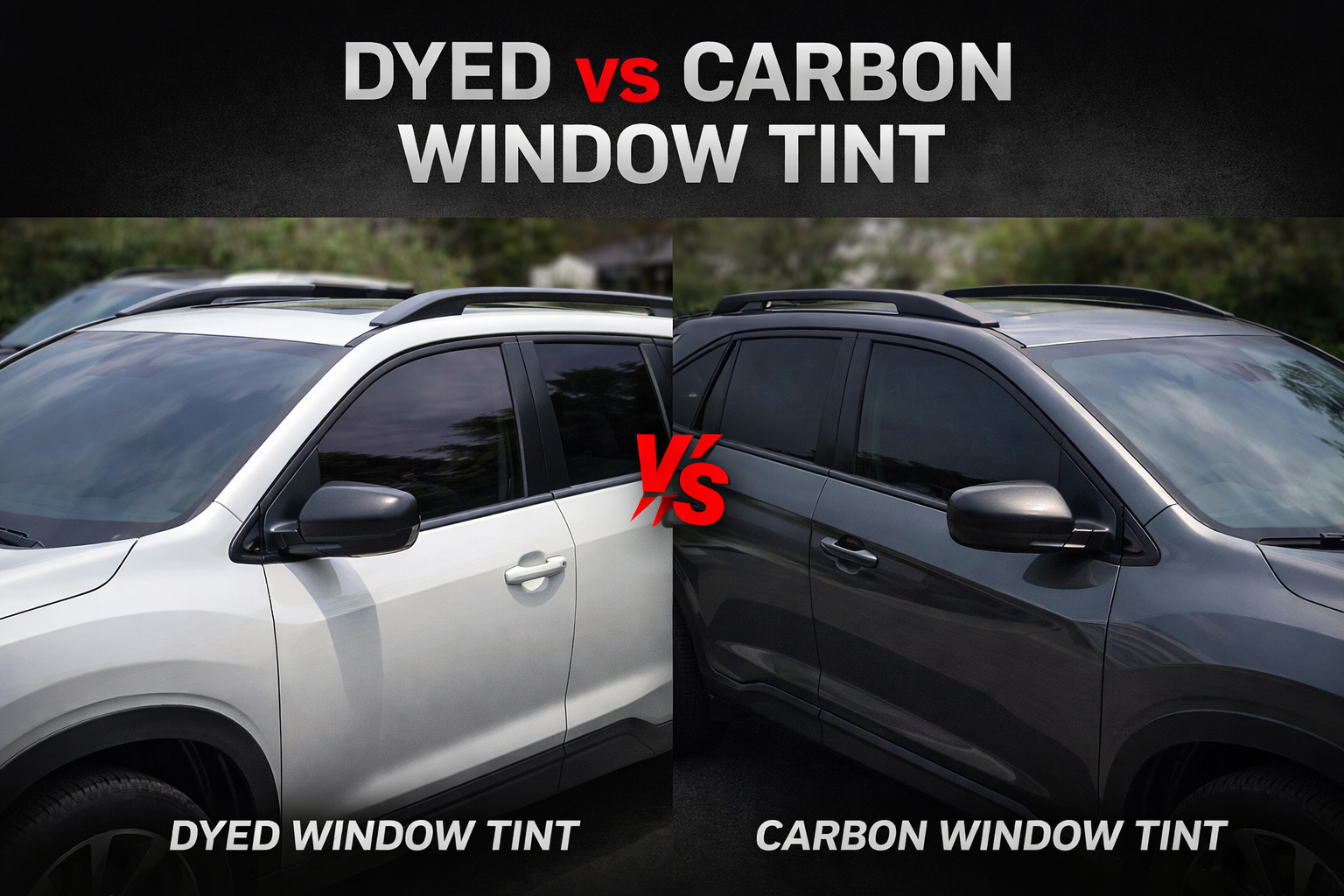
Carbon vs Dyed Window Tint. What Is the Real Difference? Not all window tint films perform the same. The type of film installed on your vehicle affects heat reduction, appearance, and long term durability. Two of the most common options drivers consider are dyed window tint and carbon window tint. While both darken the glass and reduce glare, they work very differently and deliver very different results over time. Understanding how these two films compare helps drivers choose the option that fits their needs and budget. What is Dyed Window Tint Dyed window tint is created by placing layers of dye between sheets of polyester film. The dye absorbs sunlight and gives the glass its darker appearance. This type of tint is widely used because it is affordable and improves privacy while reducing glare from sunlight. However, dyed films rely on color pigments to create the tint effect. Over time, exposure to UV radiation can break down those dyes, causing the film to fade or develop a purple tone. While dyed tint improves the look of a vehicle, it offers limited heat rejection compared to more advanced window film technologies. What Is Carbon Window Tint Carbon window tint uses microscopic carbon particles instead of dyes. These particles are embedded inside the film and help block infrared heat while maintaining a dark, consistent color. Because carbon particles do not break down the way dyes do, carbon tint maintains its appearance for many years without fading or discoloration. Carbon film also has a matte black finish that many drivers prefer because it looks cleaner and less reflective than dyed tint. In addition to improved appearance, carbon films provide noticeably better heat rejection inside the vehicle. Heat Reduction Differences The biggest performance difference between dyed and carbon tint is heat control. Dyed tint mainly absorbs sunlight and reduces glare. It provides only a small amount of infrared heat reduction, which means the vehicle interior can still become very hot in direct sunlight. Carbon window tint is designed to block a larger portion of infrared radiation. Many carbon films can reject around 40 percent to 60 percent of infrared heat, helping keep interior temperatures lower during hot weather. UV Protection Both dyed and carbon window films offer strong UV protection. Most modern films block more than 99 percent of harmful ultraviolet radiation. This helps protect passengers from sun exposure and prevents interior materials such as leather, vinyl, and dashboards from fading or cracking. Appearance and Longevity Dyed window tint typically has a darker glossy look when first installed. Over time, prolonged exposure to sunlight can cause the color to fade or shift toward purple. Carbon window tint maintains a deeper matte black appearance that stays consistent for years. The carbon particles remain stable under UV exposure, which allows the film to keep its original color much longer. Dyed vs Carbon Tint Comparison Both dyed and carbon window tint improve privacy and reduce glare, but they differ significantly in performance and durability. The biggest differences come down to appearance, heat rejection, and how well the film holds up over time. Appearance Dyed tint creates a darker glossy finish when first installed, but the color can fade or shift toward purple after years of sun exposure. Carbon tint maintains a deep matte black appearance that stays consistent for the life of the film. Heat Rejection Dyed tint mainly absorbs sunlight and provides limited heat reduction. Carbon tint blocks a much larger portion of infrared heat, helping keep interior temperatures lower during hot weather. UV Protection Both dyed and carbon films typically block more than 99 percent of harmful UV radiation. This helps protect passengers and prevents interior materials from fading or cracking. Longevity Dyed films can fade or discolor after prolonged exposure to sunlight. Carbon films maintain their color and performance much longer because they rely on carbon particles instead of dyes. Which Window Tint Should You Choose Dyed window tint can be a good choice for drivers who want a darker appearance at the lowest cost. Carbon window tint offers stronger heat rejection, better color stability, and a more refined appearance. For drivers who want improved comfort and durability without paying premium ceramic prices, carbon tint is often the better long term option. FAQs Is carbon window tint better than dyed tint? Carbon window tint is generally considered an upgrade over dyed tint. Carbon films provide better infrared heat rejection, maintain their color longer, and do not fade or turn purple over time. Dyed tint is more affordable but mainly improves appearance and glare reduction rather than heat performance. Does carbon window tint block more heat? Yes. Carbon window tint is designed to block a larger portion of infrared heat compared to dyed tint. Many carbon films can reject around 40 percent to 60 percent of infrared heat, which helps reduce interior temperatures and improve driving comfort during hot weather. Does dyed window tint fade over time? Dyed window tint can fade after long exposure to sunlight. The dyes inside the film gradually break down under UV radiation, which can cause the tint to lighten or develop a purple tone. Higher quality films slow this process, but fading is still more common with dyed tint than carbon or ceramic films. Is carbon window tint worth the extra cost? For many drivers, carbon window tint is worth the upgrade. It offers stronger heat rejection, better color stability, and a cleaner matte black appearance that lasts longer. Drivers who want improved comfort and long term durability often choose carbon tint over dyed film.
Best Windshield Tint in Jonesboro AR. Legal Options That Reduce Heat Drivers researching windshield tint for their vehicle in Jonesboro usually want two things. Better heat rejection and full compliance with Arkansas tint laws. Northeast Arkansas summers bring strong sun and heavy humidity, which makes windshield performance important for comfort. At the same time, Arkansas tint regulations limit how dark tint can be on the front windshield. The good news is that high visibility ceramic films can reduce infrared heat while still maintaining legal light transmission levels. In this guide, we explain Arkansas windshield tint laws, how net light transmission is measured, and which ceramic tint options help drivers reduce cabin heat without risking enforcement issues. Arkansas Windshield Tint Laws: The 2026 Jonesboro Driver’s Guide Arkansas windshield tint laws are governed by Arkansas Code § 27 37 306. For drivers in Jonesboro, compliance usually comes down to two key rules. The AR-5 windshield strip limit and the state’s net visible light transmission requirement. These laws determine how dark tint can be on the front windshield and how far it can extend down the glass. Understanding both rules is important before installing ceramic windshield tint or a traditional sun strip. Arkansas Windshield Sun Strip Law. The 5 Inch AS 1 Line Rule Arkansas allows a non reflective tint strip across the top of the windshield, but it cannot extend more than five inches down from the top center or below the AS 1 line marked by the manufacturer. The AS 1 line is usually etched near the upper corners of the windshield. Many trucks and SUVs, including vehicles like F-150s and Silverados, have this marking built into the factory glass. If the AS 1 line is not visible, installers measure five inches straight down from the top center of the windshield to determine the legal limit. Tint installed below this boundary violates Arkansas windshield tint laws and can lead to enforcement during traffic stops in Jonesboro and throughout Craighead County. Is Full Windshield Tint Legal in Arkansas? Ceramic Film Explained Yes, if it meets the state’s light transmission requirement. Arkansas permits aftermarket tint across the full windshield as long as net light transmission remains at least 50%. “Net” accounts for both factory glass and applied film. High-VLT clear nano-ceramic films, such as 70% VLT, maintain compliant light levels while reducing infrared heat and blocking UV exposure. Unlike dark films, these options do not noticeably darken the glass. Advanced films from HITEK Films provide strong IR rejection, preserve clarity, and meet legal requirements. How Police Measure Window Tint in Arkansas. Understanding Net VLT Law enforcement measures the actual light passing through the combined glass and film using a tint meter. This final number is called net visible light transmission, or net VLT. Law enforcement measures the actual light passing through the combined glass and film using a tint meter. This final number is called net visible light transmission, or net VLT. For Example: Factory glass at approximately 70% VLT × 70% film ≈ 49% net (borderline). Factory glass at approximately 70% VLT × 80% film ≈ 56% net (safer margin). Some officers allow a small tolerance to account for meter variation, but drivers should not rely on that margin. Staying comfortably above the 50 percent net requirement helps avoid problems during roadside tint checks in Jonesboro and throughout Craighead County. Why Ceramic Tint Is the Gold Standard for Northeast Arkansas In Jonesboro and across Northeast Arkansas, windshield tint performance matters more than darkness. Summers bring intense sun, high humidity, and long highway drives, which can quickly heat the interior of a vehicle. Ceramic windshield tint is often chosen because it reduces infrared heat while maintaining high visible light transmission. This allows drivers to stay within Arkansas windshield tint laws while still improving cabin comfort. Unlike older dyed films, modern nano ceramic tint helps block heat and UV exposure without interfering with visibility or electronic signals. Beating the Humidity: Why IR Rejection Matters More Than Darkness Infrared radiation is the main source of heat that builds up inside a vehicle. It is what causes dashboards, steering wheels, and seats to become extremely hot after sitting in the sun. High quality ceramic window film uses nano ceramic technology to block a large portion of infrared energy while still allowing high visible light transmission. Many ceramic films can block up to 98 percent of infrared heat and more than 99 percent of harmful UV rays, even in lighter shades. Traditional dyed films mainly darken the glass and can fade over time depending on the manufacturer. For windshield applications where clarity and long term performance matter, advanced nano ceramic films such as those from HITEK provide more stable heat rejection and better optical clarity. Ceramic W indow Tint and Signal Clarity. GPS and Cell Service in Jonesboro Some window films contain microscopic metal layers that can interfere with radio signals. In certain cases, this can affect GPS accuracy, cellular reception, and antennas built into modern windshields. Ceramic films are non-metallic. They provide strong thermal performance without disrupting electronic systems, which is an important factor for drivers traveling on Hwy 49, Hwy 63, and rural Craighead County roads. Top Windshield Tint Options for Jonesboro Drivers When choosing ceramic windshield tint in Jonesboro, most drivers end up considering two practical options. High visibility full windshield coverage or a traditional sun strip across the top of the glass. High-Visibility Nano-Ceramic (70%-80% VLT): Maximum Heat Rejection, Zero Legal Hassle High-visibility nano-ceramic in the 70%–80% VLT range is often called a “ghost” tint because it appears nearly invisible on the windshield while still improving heat rejection. This setup provides: Strong infrared heat rejection High UV protection Clear daytime and nighttime visibility Compliance with 50%+ net VLT when properly calculated For many Jonesboro drivers, this is the most balanced solution for reducing cabin heat while respecting Arkansas windshield tint law 2026. Traditional 5-Inch Sun Strips: Glare Protection for Hwy 49 & 63 Commutes A darker, non reflective 5 inch sun strip across the top of the windshield remains a practical option for reducing low angle sun glare. Morning and evening glare along Hwy 49 and Hwy 63 can reduce visibility and increase eye strain during daily commutes. When installed correctly within the AS 1 line allowed under Arkansas windshield tint laws, a sun strip improves comfort without affecting the driver’s primary field of vision. FAQs Can I tint my whole windshield in Arkansas? Yes, if the film results in at least 50% net light transmission. Dark full-windshield tint is not permitted, but high-VLT ceramic options often meet the legal requirement. What is the AS-1 line? The AS-1 line is a manufacturer marking near the top of the windshield that defines the maximum legal boundary for darker tint strips. What is the penalty for illegal tint in Jonesboro? Violations can be treated as a Class B misdemeanor and may result in fines, correction orders, or required removal of non-compliant film. Does windshield tint help with night driving? Yes. High-quality ceramic film can reduce glare from oncoming LED headlights while maintaining clear visibility when properly selected.
How Long Does Window Tint Last in Jonesboro, AR? (Local Guide) If you’re asking how long does window tint last in Jonesboro AR, the answer depends on how well the film handles Northeast Arkansas conditions. Delta heat, humidity, agricultural dust, and winter freeze place unique stress on window film. This guide explains realistic lifespans by material, how local weather affects performance, and what to watch for as tint ages. How Long Window Tint Actually Lasts in Northeast Arkansas How long does window tint last in Jonesboro AR varies by film quality and long-term exposure. In real local conditions, lifespans fall across a wide range. Dyed film: In a general sense, often shows fading, color change, or adhesive issues within a few years, depending on the manufacturer. Carbon film: Typically maintains appearance and performance longer than dyed options when properly cared for. Ceramic film: Designed for long-term durability and stable heat rejection in demanding climates. Ceramic window tint lifespan across Arkansas tends to be longer because these films reject heat rather than absorbing it, reducing stress on both the film and the adhesive layer over time. Why Jonesboro Weather Is Tough on Window Film Jonesboro experiences humid summers, strong sun, agricultural dust, and winter temperature swings. These factors combine to accelerate wear compared with more stable climates. Humidity and the Curing Phase Post-install, tint cures as moisture between glass and film evaporates. Humidity slows this, extending curing. Summer haze clears in days and cold, damp months take longer for bonding. Temporary haze/bubbles are normal if they fade. Summer Heat and Adhesive Stress Arkansas summers stress parked vehicle tint with sustained heat. Heating cooling cycles weaken adhesives, especially low-grade. Common dyed films absorb heat, speeding breakdown, color shifts, and bubbling. Advanced from HITEK Films manage heat better, cut adhesive stress. Agricultural Dust and Micro-Abrasion Jonesboro farmland dust settles in seals. Rolling windows with grit scratches film vertically. Micro-abrasion causes early wear in Northeast Arkansas, often overlooked. Comparing Materials: Which Tint Survives the Arkansas Sun? Material choice directly affects clarity, heat control, and how long tint stays compliant with Arkansas regulations. Common Standard Dyed Film: Why It Fails in 2–3 Years in Arkansas Dyed film uses pigments to cut glare. Dyes break down in prolonged sun, per manufacturer. Degradation causes color change, lost effectiveness. Carbon Film: A Reliable 5–7 Year Option for Arkansas Drivers Carbon swaps dyes for carbon materials, boosting stability and lifespan. In Arkansas, it holds appearance longer, steady heat reduction, no electronic interference. Ceramic Tint: 10–15 Years and the Best Heat Rejection in the Delta Ceramic/nano-ceramic films use particles to block heat, keep clarity. In Jonesboro, ceramics top for durability amid constant heat/humidity. Maintenance Tips to Extend Your Tint’s Life Proper care helps window tint reach the upper end of its expected lifespan. Ammonia-Free Cleaning Ammonia-based cleaners can weaken film layers and adhesives over time. Using ammonia-free glass cleaners and soft microfiber cloths preserves clarity and reduces surface wear. Protecting Film During Harvest Season Before rolling windows down, clearing debris from window gaskets helps prevent dust from scratching the film. Gentle cleaning habits are especially important during peak agricultural activity around Jonesboro. When to Replace Your Window Tint in Jonesboro Signs of window tint bubbling in Jonesboro or performance loss usually appear gradually. Persistent bubbles or edge lifting Noticeable color change or fading Hazy or distorted visibility Reduced interior heat control compared to previous seasons Freeze–thaw cycles can also contribute to edge peeling when moisture expands in window seals during winter months. FAQs Is 20% tint legal in Jonesboro, AR? No. Arkansas window tint laws require higher visible light transmission on most front side windows, and darker films may not comply. How long does window tint take to cure in Arkansas humidity? Curing can take several days in warm weather and significantly longer during colder, damp conditions. Does ceramic tint actually reduce heat better than darker films? Yes. Ceramic films manage infrared heat more effectively, allowing lighter shades to perform well without relying on darkness alone. What causes window tint to bubble? Bubbling usually results from adhesive breakdown caused by prolonged heat exposure, moisture intrusion, or lower-quality materials.
Window Tint Night Visibility: Jonesboro AR Drivers Guide Jonesboro, AR drivers often question whether window tint reduces night visibility on rural roads, balancing moderate daytime sun protection against safe low-light driving in spring storms and fog. Local conditions range from lit urban streets to pitch-black county roads where quick hazard detection is critical. Premium films maintain high optical clarity and minimize distortion even at moderate darkness levels, supporting safer night drives without sacrificing benefits. Effectiveness depends on VLT percentage, film quality, tint type, and how you adapt to northeast Arkansas’s humid, stormy climate. Quality options deliver reliable performance tailored to Jonesboro’s mixed urban-rural environment. Window Tint Basics: Effects on Night Visibility Window tint reduces incoming light, which can impact night vision depending on the visible light transmission (VLT) percentage. This metric measures how much visible light passes through the film and glass combined. Higher VLT allows more light for clearer views while lower VLT darkens the interior and may complicate low-light situations. Quality films provide superior clarity without electronic interference, making them ideal for Jonesboro’s blend of highways and rural routes. They reduce glare from headlights while preserving sharpness, addressing Arkansas’s moderate sun transitions to stormy, foggy nights. How Much Does Visibility Change in Jonesboro Conditions? Window tint can reduce incoming light by 15-50% depending on VLT, amplifying challenges in dark rural areas or storms. Jonesboro and northeast Arkansas drivers report increased glare reduction but potential delays in hazard detection on unlit roads. Visibility remains adequate in well-lit zones. Tint minimizes issues when paired with clean windows and adaptive driving, but doesn’t fully compensate for fog or heavy rain. Window Tint vs Regular, Carbon, and Other Tints in Arkansas Heat Ceramic tint clearly outperforms others across Arkansas’s variable weather. HITEK Films’ Ceramic films deliver superior clarity with minimal distortion and excellent glare reduction on humid nights or foggy rural roads. Dyed, basic, or metallic films, depending on manufacturer, have poorer quality that can fade, haze, or cause signal interference over time. Carbon provides moderate clarity and heat rejection but can’t match ceramic’s long-term sharpness. HITEK Films’ ceramics offer maximum optical stability, UV protection, and the best performance for Arkansas night driving in mixed climates. Benefits of Window Tint Specifically for Jonesboro Drivers Quality tint blocks glare from oncoming headlights. It prevents eye strain on rural night roads. UV protection saves interiors from sun fading. Less distortion helps navigation in mixed lighting for safer wildlife-area drives. Legal non-reflective windshield strips above the AS-1 line cut glare without darkening views. Arkansas allows top-portion tint. These boost visibility with no legal issues. They trade higher cost for daily safety in storms. Is Window Tint Worth It in Jonesboro? Window tint enhances glare reduction but doesn’t eliminate visibility challenges in pitch-black or stormy areas. Low-light exposure means darker tints amplify shadows from water scatter and limited lighting. Use adaptive habits or brighter routes alongside your tint. Avoid expecting perfect vision without eye adjustment. In Arkansas humidity, low-quality films may risk bubbling or haze from moisture. Choose premium films, such as those made by HITEK Films, to prevent this issue. Choosing the Best Window Tint Brands for Arkansas HITEK Films excels with options offering excellent optical clarity, lifetime warranties, and minimal haze. Look for warranties covering moisture and UV exposure. HITEK Films’ lifetime coverage ensures long-term performance in variable climates. For best window tint Jonesboro AR, prioritize nano-ceramic options like HITEK Films’ offerings for superior results tailored to your vehicle and Arkansas demands. FAQs Does window tint affect visibility at night in Jonesboro AR / Arkansas conditions? Yes, but premium options at 35% VLT reduce glare significantly while maintaining good clarity. How much does window tint reduce night visibility compared to regular tint? It can darken views by 15-50% depending on VLT, with higher clarity in ceramic versus dyed or metallic films. Is window tint worth the extra cost for Arkansas variable weather? For Jonesboro drivers facing storms and fog, enhanced safety, glare reduction, and protection justify the investment over basic films. Can you put tint on the windshield in Arkansas? Yes, non-reflective strips are legal and effective. Arkansas law allows tint on the top five inches of the windshield. Does window tint reduce glare from headlights and save on eye strain in variable climates? Yes, less glare can improve comfort during night drives. Combine with smart habits for maximum effect.
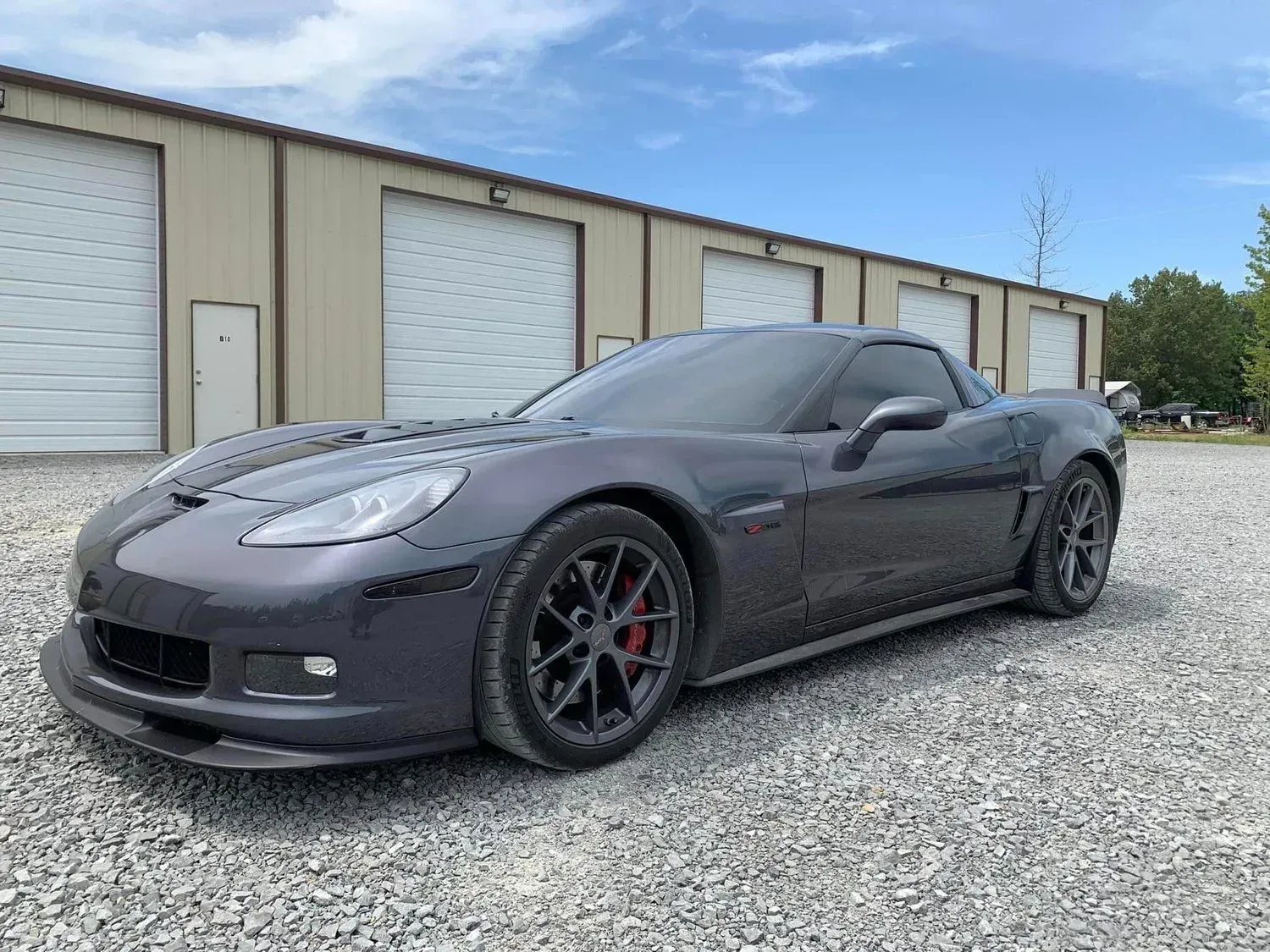
Does Ceramic Window Tint Really Block Heat in Jonesboro, AR? (The Truth for Humid Summers) Jonesboro summers bring average highs around 90-92°F in July, with humidity frequently driving the heat index into the 100s. Local drivers often ask whether ceramic window tint Jonesboro AR genuinely cuts interior heat in this sticky climate or if the benefits are exaggerated. Premium nano-ceramic films block substantial heat through high infrared heat rejection, typically exceeding 90% IR, creating noticeably cooler cabins and reduced AC strain. Effectiveness depends on film quality, installation precision, and how you manage your vehicle in humid conditions. HITEK Films’ nano-ceramic lines, including Ceramic Ultra and Ceramic IR, deliver strong, reliable performance tailored to Arkansas’s hot, humid summers. What Is Ceramic Window Tint and How Does It Work? Nano-Ceramic Technology Explained Ceramic window tint Jonesboro AR embeds tiny nano-ceramic particles that specifically target infrared heat rejection, the main carrier of radiant heat from sunlight. This non-metallic construction blocks heat without interfering with GPS, cell signals, or radio, a common issue with metalized films. HITEK Films’ Ceramic Ultra achieves up to 96% IR rejection at 1025nm and 71% total solar energy rejection (TSER), while Ceramic IR provides 75% broad-range rejection (740-2500nm). The film rejects solar energy at the glass surface before it enters your cabin, directly addressing the challenges Arkansas humidity presents. Does Ceramic Tint Actually Block Heat? Real Performance Stats IR Rejection, TSER, and Heat Reduction Numbers Premium ceramic tint heat rejection delivers measurable results. HITEK Films Ceramic Ultra reaches up to 71% TSER and 96% IR rejection, with 99% UV block across various shades. Lines like Ceramic Plus offer 90-92% IR rejection and 61-69% TSER depending on visible light transmission (VLT). Top-tier films hit up to 98% IR rejection, outperforming basic or carbon films in radiant heat block Arkansas. How Much Cooler Does Your Car Get in Jonesboro? Ceramic tint reduces car interior temperature by 15-35°F after one hour in humid 90°F+ sun. Jonesboro and Northeast Arkansas drivers report less initial heat blast when entering and faster AC cooldowns. Interiors remain measurably cooler in humid AR heat. Parked vehicles left all day still accumulate heat. Ti slows buildup significantly but doesn’t eliminate it entirely. Pair with shade parking or ventilation for optimal resu
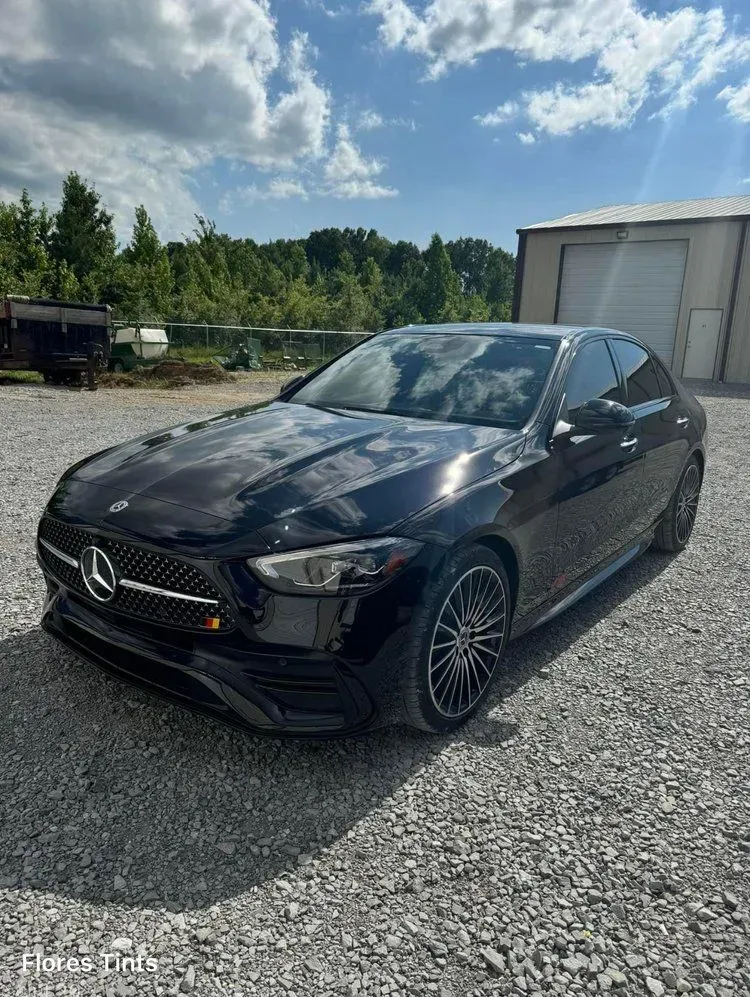
Cheap Window Tint Jonesboro AR: Real Costs & Quality Guide You’re researching whether cheap window tint is a waste of money in Jonesboro AR because extreme summer heat and Delta humidity can turn any parked vehicle into a heat trap. Low-cost and DIY tint options promise fast relief, but understanding window tinting prices in Jonesboro AR helps explain why many of these films fail early and cost more over time. Bubbling, peeling, and fading are common outcomes with budget tint, often leading to premature removal or replacement. This guide explains how local climate conditions, Arkansas tint laws, and film technology affect performance so drivers can evaluate real costs rather than advertised prices. The “Budget” Tint Appeal in Northeast Arkansas Jonesboro drivers often search for cheap window tint deals as summer temperatures push vehicle interiors well above comfort levels. Arkansas State University students and budget-focused households are frequent targets of full-car tint promotions and mobile installers advertising quick turnaround. These offers appeal to immediate needs for heat rejection window tint in Jonesboro, especially during peak traffic along Caraway Road. The short-term savings, however, rarely account for how humidity and sun exposure affect film durability in Northeast Arkansas.
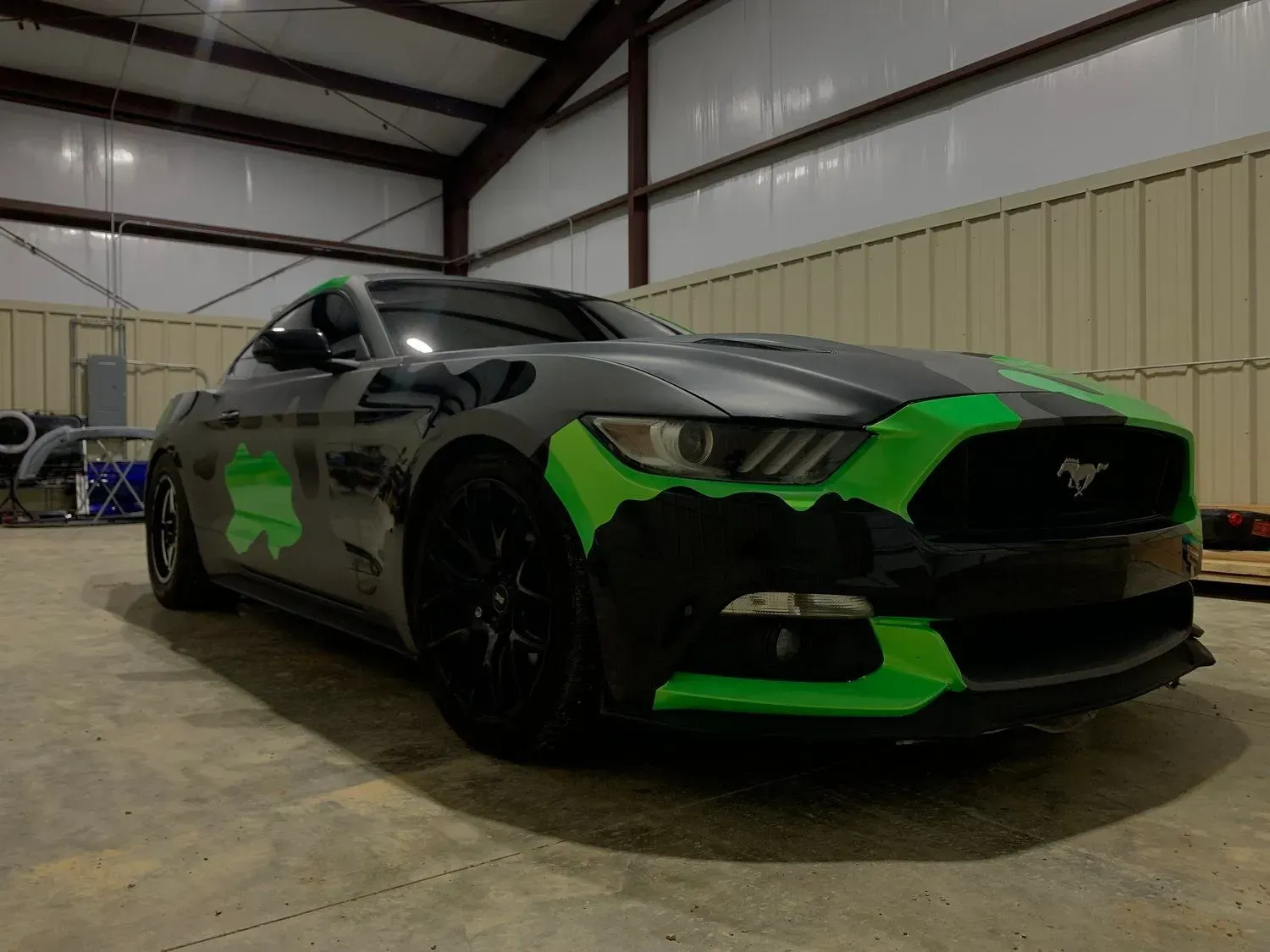
How to Pick the Best Window Tint Shop In Jonesboro, AR Finding the best window tint shop in Jonesboro, AR is about more than price. You need tint that blocks heat, stays legal, and looks clean for years. In Northeast Arkansas, cheap tint often fails fast. Farm dust, heavy pollen, and summer humidity lead to bubbling, peeling, and cloudy film. This guide explains what separates professional shops from budget installs, using standards that work with Arkansas laws and local weather. Why the Best Window Tint Shop in Jonesboro AR Matters for Local Climate Jonesboro’s climate is tough on window film. High humidity weakens adhesive. Pollen and farm dust ruin installs done in open garages. Low-quality tint may look fine at first, then fail within months. Quality heat rejection film Arkansas drivers rely on blocks infrared heat before it enters the cabin. This keeps interiors cooler, reduces AC use, and protects seats and trim from UV damage. The best window tint shop in Jonesboro AR focuses on performance and installs film in clean, controlled spaces built for long-term results.
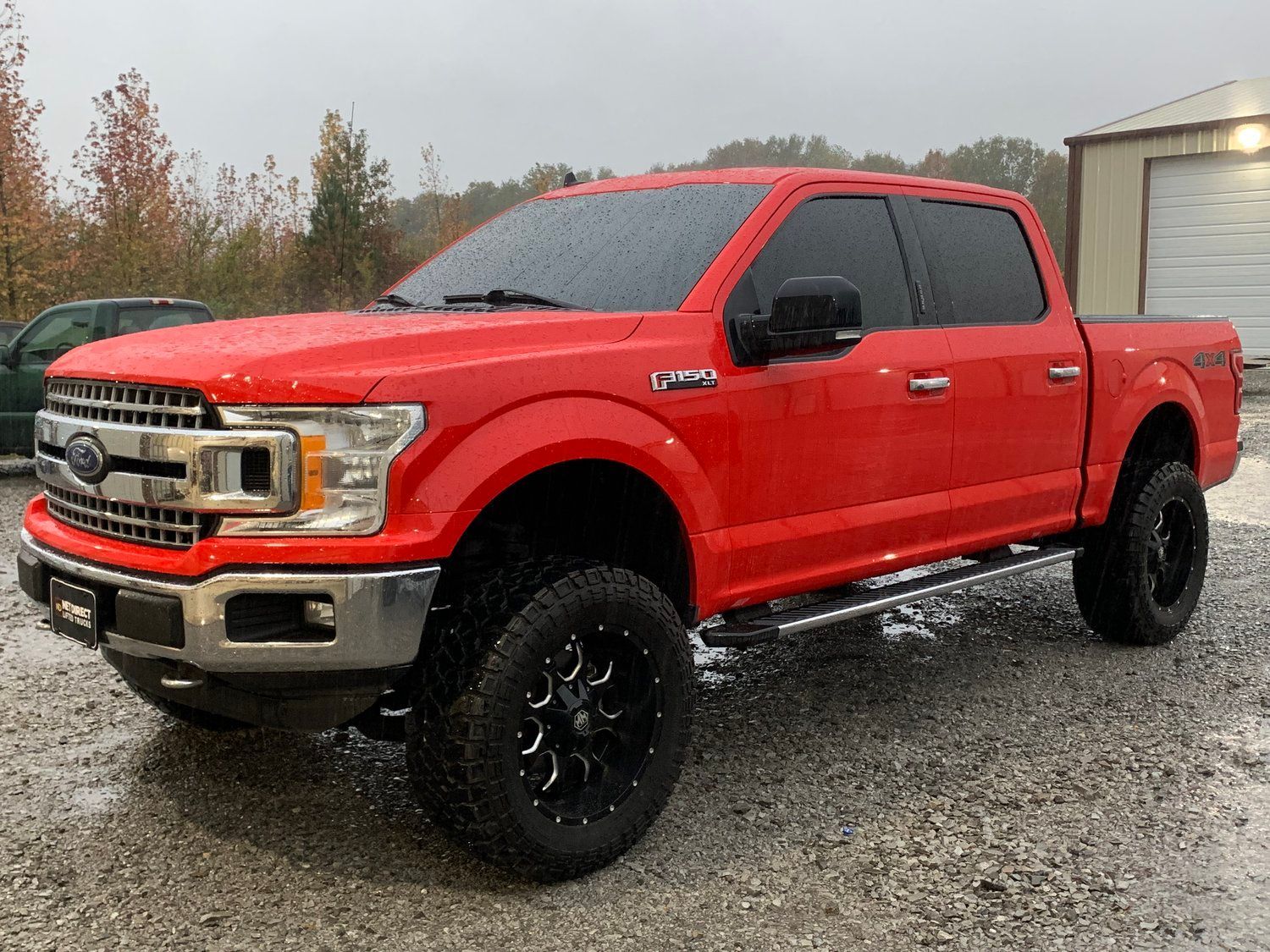
Rolling through Brookland? Your vehicle deserves more than just a basic wash. It needs real protection, added comfort, and a serious upgrade in style. Whether you're commuting down Highway 49, parked outside Brookland High School, or making the daily drive into Jonesboro, professional window tinting isn’t just a nice touch it’s a smart investment. At Flores Tint, we bring expert level, street legal window tinting to Brookland drivers who want their vehicles to look better, last longer, and stay cooler. From rugged trucks and daily drivers to family SUVs and sports cars we tint them all using high performance materials, precision techniques, and small town service you can trust. Why Tint Your Windows in Brookland? This isn’t just about aesthetics window tint improves how your vehicle feels, performs, and protects. Here’s why more Brookland drivers are choosing Flores Tint: Blocks Harmful UV Rays – The Arkansas sun can damage your interior and even your skin. Our films block up to 99% of UV rays to help protect your vehicle and passengers. Keeps Your Interior Cooler – Summer heat is no joke. Our heat-rejecting films help reduce cabin temps so you stay comfortable and run the A/C less. Adds Privacy & Security – Whether you’re parked at the gas station, school, or store, tint helps keep your belongings out of sight and adds peace of mind. Reduces Harsh Glare – Day or night, sun or headlights, glare can be distracting and dangerous. Our films cut glare for safer, more comfortable driving. Why Brookland Trusts Flores Tint ? Not all tint shops are created equal. Here’s what makes us different: Locally Owned & Operated – We’re based right here in the Brookland area not a chain or franchise. You’re not just another number to us you’re a neighbor. Clean, Professional Installs – We prep every window properly, precision-cut each film, and ensure a clean, bubble-free finish that lasts. High-Quality Materials Only – No cheap film here. We use durable, fade-resistant, industry-grade tint that looks amazing and performs even better. 100% Street-Legal Results – We follow Arkansas tint laws to the letter and help you choose a legal shade that fits your vehicle and your style. Arkansas Window Tint Laws (What Brookland Drivers Need to Know) Front side windows : Must allow 25% or more visible light (VLT ≥ 25%) Back side & rear windows : Can go as dark as 10% VLT Windshield : Non-reflective tint allowed only above the AS-1 line or top 5 inches We’ll walk you through options that are fully compliant with state regulations. Our Process – Simple & Hassle-Free Consultation – Tell us what you’re looking for (privacy, style, heat reduction), and we’ll recommend the best solution for your needs. Film Selection – Choose from a curated selection of premium tints including ceramic, carbon, and classic dyed options. Expert Installation – We clean every window, cut each film to fit your car, and install it with precision. No bubbles. No shortcuts. Aftercare Support – We provide you with clear care instructions to ensure your tint performs perfectly for years to come. Vehicles We Tint in Brookland If it has windows, we can tint it: Cars & Sedans Pickup Trucks & Work Vehicles SUVs & Crossovers Commercial & Fleet Vehicles Luxury & Sports Cars Custom & Collector Vehicles Fleet Packages Available Ask us about commercial pricing for business vehicles or service fleets. Why Tinting Works for Brookland’s Climate With humid summers and bright winter skies, Brookland weather makes window tint a smart year round solution. Summer: Blocks solar heat and UV damage Winter: Cuts glare from low angle sun and bright reflections Year-Round: Enhances privacy, safety, and style Book Your Brookland Tint Appointment Today If you're in Brookland or the surrounding area, there’s never been a better time to upgrade your vehicle with Flores Tint. Whether you’re after comfort, protection, privacy, or that sleek, finished look our team has you covered with top-quality work and hometown care.
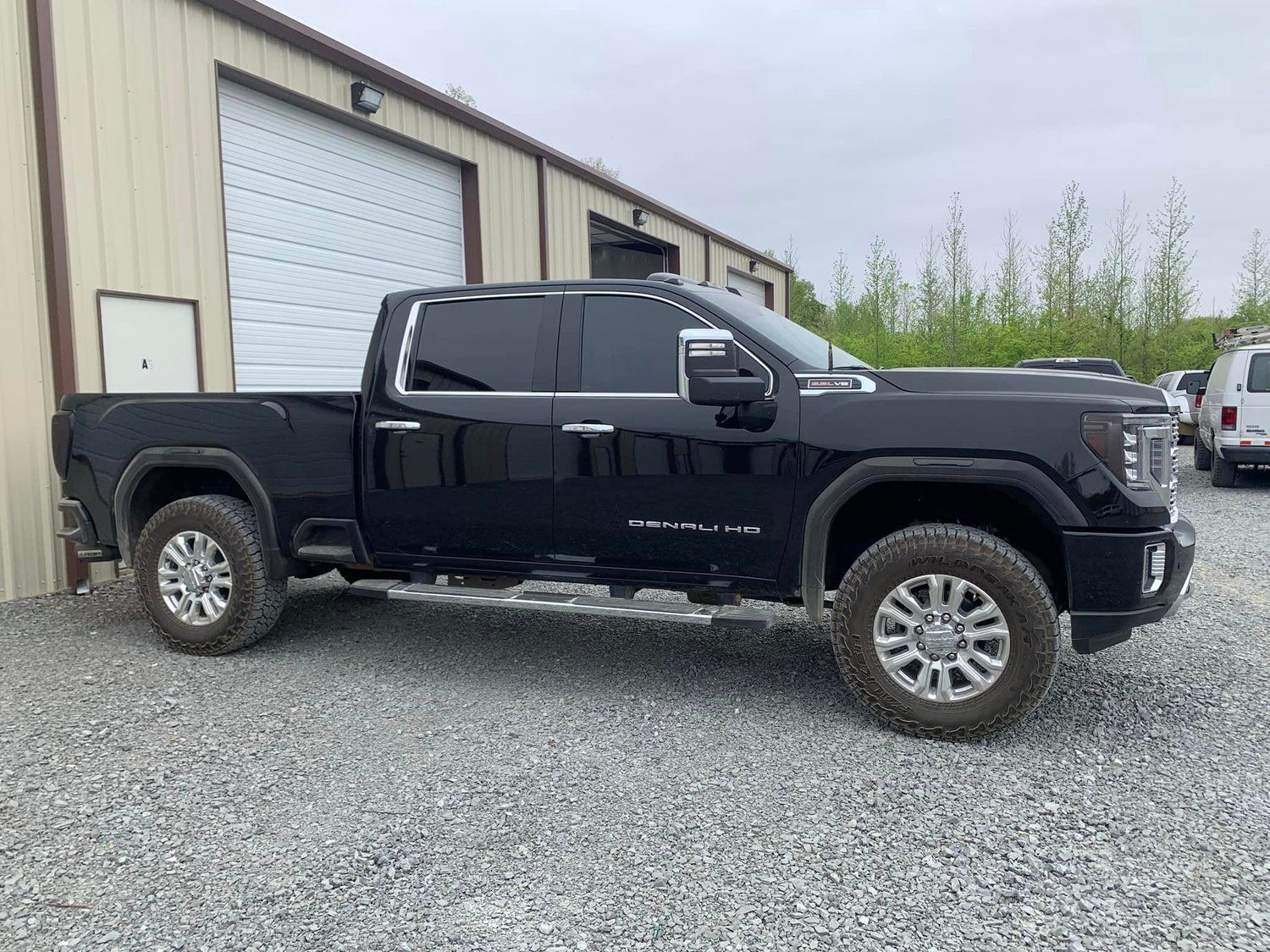
Rolling through Lake City? Your vehicle deserves more than just a basic wash. It needs real protection, improved comfort, and a serious style upgrade. Whether you're headed down Highway 18, parked outside Riverside High School, or making the daily trip into Jonesboro, adding professional window tint isn’t just a good idea—it’s a smart investment. At Flores Tint, we bring professional-grade, street-legal window tinting to Lake City drivers who want their vehicles to look better, last longer, and stay cooler. From rugged work trucks to everyday sedans, family SUVs to high-performance cars—we tint them all with precision, top-tier materials, and genuine small-town care. Why Tint Your Windows in Lake City? Let’s be honest—this isn’t just about looks. Good tint changes how your vehicle performs, feels, and lasts. It helps you stay cooler, safer, and more comfortable every day. Here’s why drivers in Lake City trust window tinting: ✅ Blocks Damaging UV Rays The Arkansas sun can be brutal. Without tint, your interior takes a beating—leather cracks, cloth fades, and dashboards overheat. Plus, UV rays can even damage your skin while driving. Our premium films block up to 99% of harmful UV radiation, protecting your passengers and your vehicle from long-term exposure. ✅ Keeps Your Interior Cooler Lake City summers are no joke. Even short drives can feel like a heatwave. Our films block solar heat and help keep your cabin cooler—so you run the A/C less, save fuel, and enjoy a more comfortable ride. ✅ Real Privacy That Matters Whether you're parked at Flash Market, watching a game, or running errands at Harps, tint adds an extra layer of privacy. It helps keep your belongings hidden and keeps curious eyes where they belong—not inside your vehicle. ✅ Reduces Harsh Glare Driving into a low sun or facing bright headlights at night? Glare can be a hazard. Our films cut glare, improve visibility, and reduce eye strain—so you drive safer and more relaxed, day or night. Why Lake City Trusts Flores Tint? Not all tint jobs are created equal. The difference between cheap work and long-lasting results? Experience, attention to detail, and quality materials. At Flores Tint, we do it right from start to finish. 🌟 Locally Owned, Hometown Trusted We’re not a chain. We’re your neighbors. We live and work here in Lake City, and we treat every customer like family. When you tint with us, you’re supporting a small business that truly cares about the work. 🛠️ Precision Work, No Shortcuts We take pride in clean, professional work. Every vehicle gets a full prep, careful application, and detailed inspection. The result? A smooth, bubble-free finish that holds up for years. 🪟 Premium Films Only We don’t use cheap roll film or low-grade tint. Our films are professional quality—durable, fade-resistant, and crystal-clear. Whether you want that sleek dark look or something more subtle, we’ve got you covered. 📏 Fully Legal Tints No tickets. No stress. We follow Arkansas law exactly, and we’ll help you pick the right tint that looks great and keeps you street legal. You’ll drive away confident and compliant. Arkansas Window Tint Laws: What You Need to Know Front side windows: Must let in at least 25% of visible light (VLT ≥ 25%) Back side windows & rear window: Can be as dark as 10% VLT Windshield: Non-reflective tint only above the AS-1 line or top 5 inches We’ll help you pick the right film that matches your style and stays 100% legal. How Our Process Works Step 1: Consultation You tell us what you’re after—heat control, privacy, dark aesthetics—and we guide you through the best options. Step 2: Film Selection Choose from our hand-picked selection of premium films. From ceramic heat blockers to sleek charcoal tones, we’ve got something for every ride and budget. Step 3: Expert Installation We clean every window, precision-cut your film, and apply it with expert care. No bubbles, no peeling—just flawless results. Step 4: Aftercare Guidance We’ll explain the do’s and don’ts to help your tint settle properly and perform its best long term. Vehicles We Tint If it has windows, we can tint it. We work on: Cars & Sedans Pickup Trucks & Work Trucks SUVs & Crossovers Commercial Vans & Fleet Vehicles Luxury & Sports Cars Custom and Collector Vehicles Have a company fleet? Ask us about bulk and commercial tint packages to keep your vehicles cool, clean, and consistent. How Tinting Helps in Lake City’s Climate Lake City weather swings hard—hot, humid summers and cold, bright winters. Window tint keeps you protected all year. In Summer : Blocks heat and prevents sun damage In Winter : Cuts glare from low sun and bright reflections Year Round : Adds privacy, style, and protection for your vehicle and everything inside it Ready to Upgrade Your Ride? If you're in Lake City or nearby, now's the perfect time to tint your vehicle with Flores Tint. Whether you're looking for comfort, style, privacy, or all of the above—we've got the tools, the experience, and the reputation to do it right.
Truman drivers face blazing Delta summers, sudden Arctic fronts, and endless gravel-slinging farm lanes. That’s a recipe for sun-bleached paint, rock chips, and dirt-packed cabins. Flores Tint keeps your ride looking sharp—and shielded—no matter the season. What We Do ✅ Precision Detailing Deep interior + exterior cleaning wipes out river-silt dust, coffee spills, and road film. Seats, carpets, paint, glass, and wheels all get the spa treatment. ✅ Paint Protection Film (PPF) A nearly invisible, self-healing layer that takes the hit from rocks, bug splatter, and door dings before they scar your paint. Daily commuter or weekend cruiser—both covered. ✅ Paint Correction Swirls, water spots, and oxidation disappear under our multi-stage machine polish. We revive depth and mirror gloss, even on tired clear coats. ✅ Ceramic Coating A pro-grade liquid polymer that bonds to paint, glass, wheels, and trim. Expect slick gloss, crazy water beading, and protection measured in years. Real-World Benefits for Truman Drivers ProblemElite SolutionUV fade & oxidationCeramic coating blocks brutal sunlight and stops clear-coat chalking.Rock chips on Hwy 463PPF absorbs the impact—paint stays flawless.Delta mud & gravelFull detailing + coatings mean a quick rinse clears the mess.Resale value dipDocumented protection boosts trade-in numbers. Our Process: Zero Guesswork Free Walk-Around Inspection – We spot defects, measure clear coat, and hear your goals. Transparent Quote – No surprise fees; no pickup-day “add-ons.” Certified Installation – Top-tier tools, lighting, and climate-controlled bays. Final Reveal + Care Guide – We hand you a maintenance kit and show you how to keep that gloss. Warranty & After-Care – Up to 12 years on PPF, 5 years on ceramic—backed by Elite Details. FAQ Will PPF show seams? No—our custom-cut software and bulk installs tuck edges out of sight. How long will a ceramic coating last? Choose 3-, 5-, or 7-year formulas. Follow the simple wash routine and you’ll get every day of it. Can you fix heavily swirled black paint? Absolutely. Dark colors are our specialty—multi-stage polishing brings back the mirror. Do you offer mobile detailing? Major correction and coatings stay in-shop for quality control, but maintenance details can roll to you. Maintenance Tips Two-bucket wash, microfiber towels only. Skip brush tunnel washes. Use pH-neutral soap—never dish detergent. Top the coating with a silica spray every 3–4 months. Why Choose Flores Tint? ✔️ Locally owned and operated in Truman, AR ✔️ IDA-Certified detailing techs ✔️ Climate-controlled, dust-free facility ✔️ Five-star Google rating from Northeast Arkansas motorist s